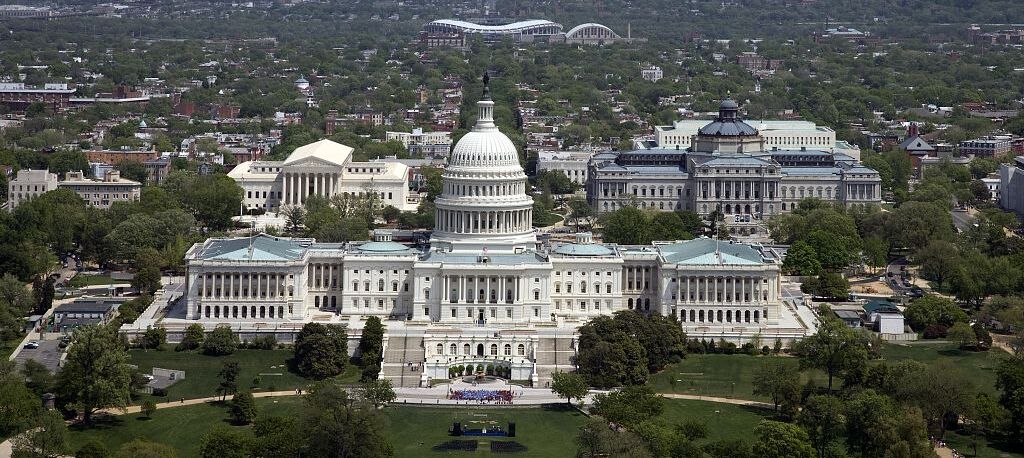
By Victoria Brusa (*). The United States held historic midterm elections on Tuesday: Democrats won control of both the House and the Senate, flipping districts that Trump carried by double-digit margins in 2024. The new Congress is poised to demand greater accountability from the administration, combat corruption, and rein in executive power. For Latin America and the Caribbean, however, the shift will likely change how Washington pursues its goals more than the goals themselves.
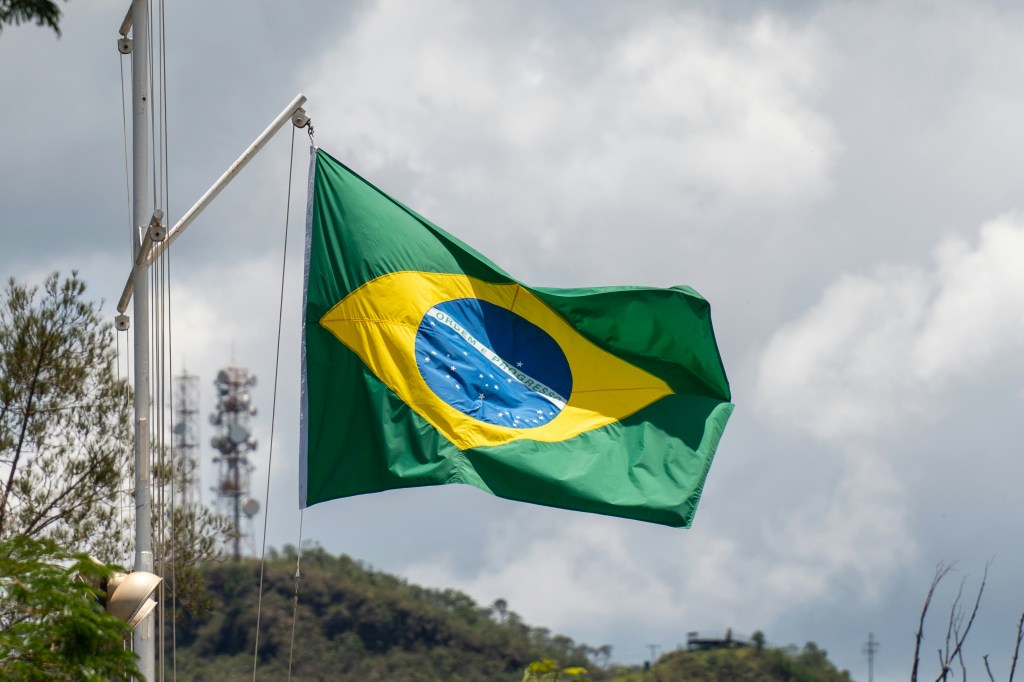
At the strategic level, little is likely to change. Both parties support renewed engagement with Latin America and efforts to counter Chinese influence in the Western Hemisphere. China’s influence has grown steadily in recent decades as Washington’s attention shifted elsewhere, and Lula’s reelection in Brazil on October 25 may create further opportunities for Beijing.
Argentine scholar Juan Manuel Tokatlian, a professor of political science and international relations at Universidad Torcuato Di Tella in Buenos Aires, draws parallels between the Republicans’ defeat and the midterm losses suffered by the parties of George W. Bush in 2006 and Bill Clinton in 1994. In each case, the president’s party lost control of both chambers of Congress. “The evidence shows that there was no significant shift in foreign policy, only adjustments that were largely tactical. Perhaps the clearest example is George W. Bush: his defense secretary did resign, but shortly afterward the president sent 20,000 more troops to Iraq. If anything, this shows that there are no radical or decisive transformations in foreign policy, largely because of the United States’ presidential system and the broad autonomy of the executive branch,” Tokatlian says.
The main priorities guiding U.S. engagement with Latin America and the Caribbean will likely remain unchanged: fighting organized crime through security initiatives such as the Shield of the Americas and curbing migration to ease pressure on the southern border. Securing access to key natural resources—including oil, critical minerals, and rare earths—will also remain a central strategic objective, particularly amid concerns about China’s grip on global supply chains.
“As for the strictly international dimension of policy toward Latin America, such as the Shield of the Americas, I don’t see any change coming. Quite the opposite: President Trump will press ahead with this new war on narcoterrorism, will most likely continue the extrajudicial killings in the Caribbean and the Pacific, will keep up the pressure to strangle Cuba, and will continue trying to curb and roll back China’s influence in Latin America, which is above all economic,” Tokatlian says.
“Over the past two years, Democrats in Congress did little for Latin America. A few lawmakers voiced deeper concerns about the region, but their role was very marginal. What will matter now is their control of key committees, where Democrats will be able to influence some aspects of President Trump’s foreign policy,” the Argentine scholar adds.
The clearest prospect for change lies in congressional oversight. A Democratic Congress will likely push for greater transparency and tighter control over spending and resource allocation. Lawmakers could investigate strikes on vessels in the Caribbean and the broader use of military force in the region.
“Democrats in Congress will likely try to stop strikes on suspected drug-trafficking boats and prevent unauthorized military action against Cuba. The next Congress will have more room to challenge a heavily military approach without abandoning security cooperation. Military force alone won’t stop organized crime. One lesson from my time at the Pentagon is that recovering territory means little unless the state can hold it,” says Rebecca Bill Chavez, president and CEO of the Inter-American Dialogue. “My biggest concern is that the continued emphasis on military operations could crowd out the investments in institutions that make those gains last. You can win tactically and lose strategically,” she adds.
Congressional authorization for military action had already sparked friction in 2025, when Sens. Tim Kaine (D-Va.), Adam Schiff (D-Calif.) and Rand Paul (R-Ky.) introduced a measure to bar Trump from taking military action against Venezuela without congressional approval. Although that effort failed, it offers a preview of what could come next year, when lawmakers may have more success in narrowing Trump’s room for maneuver.
Congress is also likely to scrutinize contentious issues such as the Venezuelan oil deal, the administration’s relationship with the Delcy Rodríguez regime, and the promised democratic transition in Caracas. As key committees—Foreign Affairs and Oversight in the House and Foreign Relations in the Senate—pass to Democratic leadership, lawmakers could press harder to stabilize Venezuela and accelerate its democratic transition. They could also demand greater transparency about that process and the administration’s deals with the dictatorship. “Congress will likely ask whether our engagement with Delcy Rodríguez is moving Venezuela toward democracy or helping her consolidate power. Stability could stop being a means to transition and become an excuse to put it off. Congress could push for an election date and the release of political prisoners, and demand transparency on more than $13 billion in oil sales,” Bill Chavez says.
Overall, congressional pressure is unlikely to alter the administration’s core goals in the region. As the past two years have shown, the Trump administration rarely changes course under pressure from adversaries—or even allies. Democrats share the goal of keeping Latin America firmly within the U.S. sphere of influence. For Trump, consolidating the region’s shift to the right—despite the setback in Brazil last month—is also part of the legacy he hopes to secure before leaving office. Washington’s aims in the region will likely remain unchanged; what may change is the degree of scrutiny it faces in pursuing them.
(*) Victoria Brusa is a Fulbright Scholar, currently pursuing an MA in Democracy and Governance at Georgetown University. She serves as Democracy and Society Senior Editor.