By Jodi Vittori (*) In the runup to the Midterms, many polls noted that perceived corruption—especially by the Trump inner circle—had become a primary concern for voters. Democrats ran on anti-corruption messaging, and voters will expect them to deliver ahead of the 2028 elections. What should they do?
Good governance practitioners and scholars have found that after a dramatic
changeover of power, political reformers tend to have about a two-year window to enact their reforms before those who had benefited from corruption are able to regain their footing to stymie reforms. Thus, incoming members of Congress must work quickly when they take their seats in January.
To show that the old rules have changed, those entering government after an
anti-corruption landslide should make some immediate, relatively easy reforms. Because Democrats lack a veto-proof majority, they should focus on demanding that existing anti-corruption laws be enforced, including the Foreign Corrupt Practices Act and the Corporate Transparency Act. Leaders of agencies in charge of implementing these laws should be called before Congress to answer for their prior lack of enforcement and provide a roadmap for re-implementing them. Priorities should include detailed plans for rebuilding law enforcement and prosecutorial anti-corruption institutions and for re-establishing the Treasury Department’s beneficial ownership databases that were reportedly destroyed.
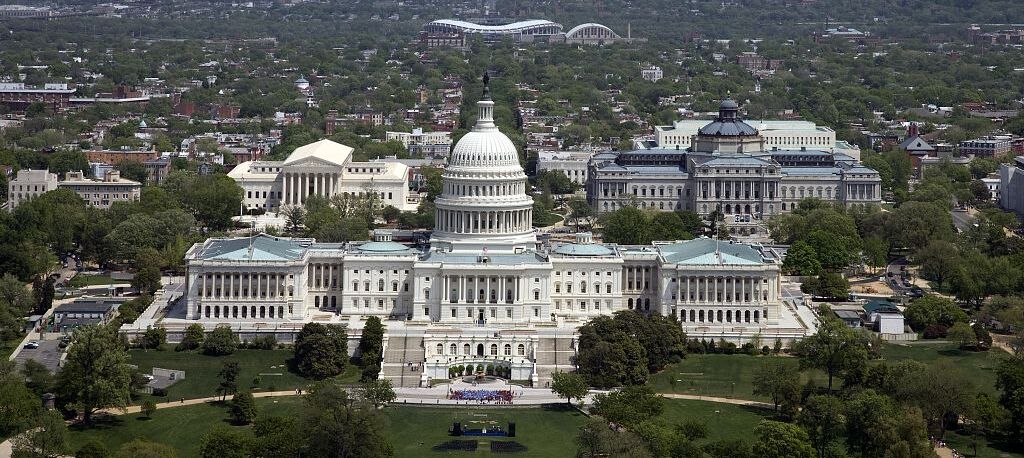
Congress should also initiate public hearings on corruption in the American
government, not for partisan score settling, but as a baseline to write legislation to plug corruption loopholes. In parallel, Congress should look to reinvigorate its investigative and oversight capabilities. One model could be the Truman Commission, which monitored war-related contracts during World War II. This commission was unique both in its bipartisan nature and in catching fraud, waste, and abuse before substantial damage occurred, in contrast with most investigations that examine problems after the damage is done. New investigations should look beyond wartime and take a whole-of-government view.
Finally, members of Congress will have to begin the process of making hard
legislative reforms to campaign finance, gerrymandering, money laundering, and host of other major governance weaknesses. The 2028 elections have already begun, and reform-minded members of Congress should have a slew of legislation prepared for the next president’s signature. Congress has a long history of substantial anti-corruption reform after major scandals, including during the US Civil War, during the so-called Gilded Age, and after
Watergate. The coming decade could become another era of major governance reform, buttressing American democracy for another generation.
(*) Jodi Vittori is an expert on the linkages of corruption, state fragility, illicit finance, and US national security. She is a Professor of Practice and co-chair of the Global Politics and Security program at Georgetown University’s School of Foreign Service. Jodi is also an associate fellow with RUSI’s Centre for Finance and Security and was previously a non-resident fellow with the Carnegie Endowment for International Peace. She is also a founder and co-moderator of the Anti-Corruption Advocacy Network (ACAN) which facilitates information exchange on corruption-related issues amongst over 1000 participating individuals and organizations worldwide.